
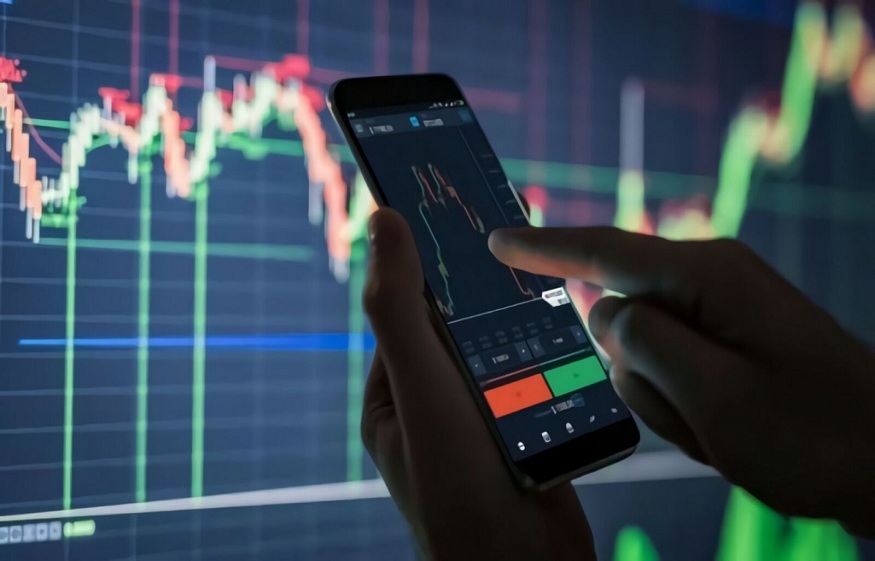
The transition from physical share certificates to digital records was a landmark moment for global finance. Modern DEMAT apps have further simplified this process by providing a sleek interface that makes investing feel as easy as ordering a meal or booking a cab. This accessibility has democratized wealth creation, allowing people from all walks of life to participate in the growth of the economy with just a few taps on a screen.
However, the user-friendly nature of these mobile platforms often masks a sophisticated web of operational frameworks. While most investors spend their time analyzing market trends and picking the right stocks, they frequently overlook the technical and procedural risks inherent in the platforms they use. These operational gaps can lead to unexpected financial friction, missed opportunities, or even direct capital loss during periods of high market activity.
Read More : Weathering the Storm: 7 Online Businesses That Shine During Economic Uncertainty
Understanding these risks is not about discouraging the use of technology but about becoming a more informed and resilient investor. By looking beyond the polished buttons and colorful charts, users can better protect their hard-earned money. This article explores the specific operational hurdles that often go unnoticed in the fast-paced world of digital investing and how they can impact your long-term financial health.
The Fragility of Server Reliability During Peak Volatility
One of the most significant operational risks involves the technical infrastructure supporting these platforms. Most DEMAT apps work perfectly during normal trading hours when volumes are predictable. However, when the market experiences extreme volatility or a major news event occurs, the surge in user traffic can overwhelm the servers. This often leads to app crashes or significant slowdowns exactly when investors need to act the most.
When a server fails, an investor might find themselves unable to log in to their account. For those holding intraday positions or looking to exit a falling stock, every second of downtime translates into a potential loss. This risk is compounded by the fact that many app-based providers do not have robust physical support systems to handle such emergencies. If the app is down and the phone lines are busy, the investor is essentially locked out of their own assets.
Cybersecurity Vulnerabilities on Mobile Devices
While financial institutions invest heavily in security, the mobile device itself is often the weakest link in the chain. Investors frequently overlook how their own habits can compromise their DEMAT apps. Using public Wi-Fi networks to check a portfolio or execute trades can expose sensitive login credentials to hackers. Furthermore, many users do not realize that third-party apps on their phones, such as custom keyboards or screen recorders, might be capturing their financial data.
The risk of SIM swapping is another operational hazard that is often ignored. Since most digital platforms rely on mobile numbers for two-factor authentication, a compromised SIM card can give a malicious actor full access to an investment account. Even biometric locks, while convenient, are not foolproof if the underlying operating system of the phone is outdated or compromised by malware. Maintaining a high level of digital hygiene is a prerequisite for safe mobile investing that many casual users neglect.
Latency and Execution Discrepancies
In the world of trading, speed is everything. However, there is often a noticeable lag between the price shown on a mobile screen and the actual price on the exchange. This latency can be caused by a slow internet connection, the app’s internal processing time, or delays in data feeds from the exchange. For a long-term investor, a few cents of difference might not matter, but for those who trade frequently, this price slippage can eat into profits significantly.
Furthermore, the “instant” nature of mobile apps can be deceptive. When you hit the buy or sell button, the order must travel through the app provider, the clearing corporation, and finally the exchange. If there is a bottleneck at any of these stages, the order might not be executed at the expected price. Investors often overlook the fact that the visual confirmation on their screen is sometimes just a representation of an intent to trade, rather than a completed transaction in real-time.
Hidden Complexities in Data Synchronization
A common operational issue that surprises many users is the discrepancy in data synchronization. Sometimes, a DEMAT app might show a specific balance or a set of holdings that does not match the actual records at the depository. This usually happens because of the time it takes for corporate actions, such as stock splits, dividends, or bonus issues, to reflect in the digital interface.
If an investor makes a decision based on cached or outdated data shown in the app, they might end up overleveraging their account or selling shares they do not technically hold yet. These synchronization errors can also occur during the settlement period, which usually takes a day or two after the trade. Relying solely on the app’s dashboard without cross-verifying with official contract notes or depository statements is a risk that many modern investors take unknowingly.
The Psychological Trap of Gamified Interfaces
The design of many DEMAT apps is heavily influenced by social media and gaming platforms. While this makes the apps engaging, it introduces a behavioral operational risk. Bright colors, celebratory animations for successful trades, and constant push notifications are designed to keep users active. This gamification can lead to impulsive decision-making and over-trading, which are detrimental to long-term wealth accumulation.
When investing feels like a game, the perceived value of money can diminish. The ease of “swiping to buy” removes the friction that once forced investors to pause and think. This psychological shift can cause users to ignore their own risk tolerance or skip the necessary due diligence. The operational risk here lies in the interface itself, which may prioritize user engagement over sound financial principles.
Conclusion
The rise of app-based investing has undoubtedly made the financial markets more inclusive and efficient. However, the convenience of these tools should not be mistaken for a lack of risk. From server downtimes and cybersecurity threats to the subtle dangers of gamified design, the operational landscape of a DEMAT account is filled with potential pitfalls.
Read More : Creating a family office: A step-by-step guide to protecting your legacy
By acknowledging these overlooked risks, investors can build a more robust framework for their financial activities. Success in the markets requires more than just picking the right stocks; it requires a deep understanding of the tools used to manage those assets. Staying vigilant, maintaining digital security, and verifying information through multiple sources will ensure that the technology remains a servant to your financial goals rather than a liability.